

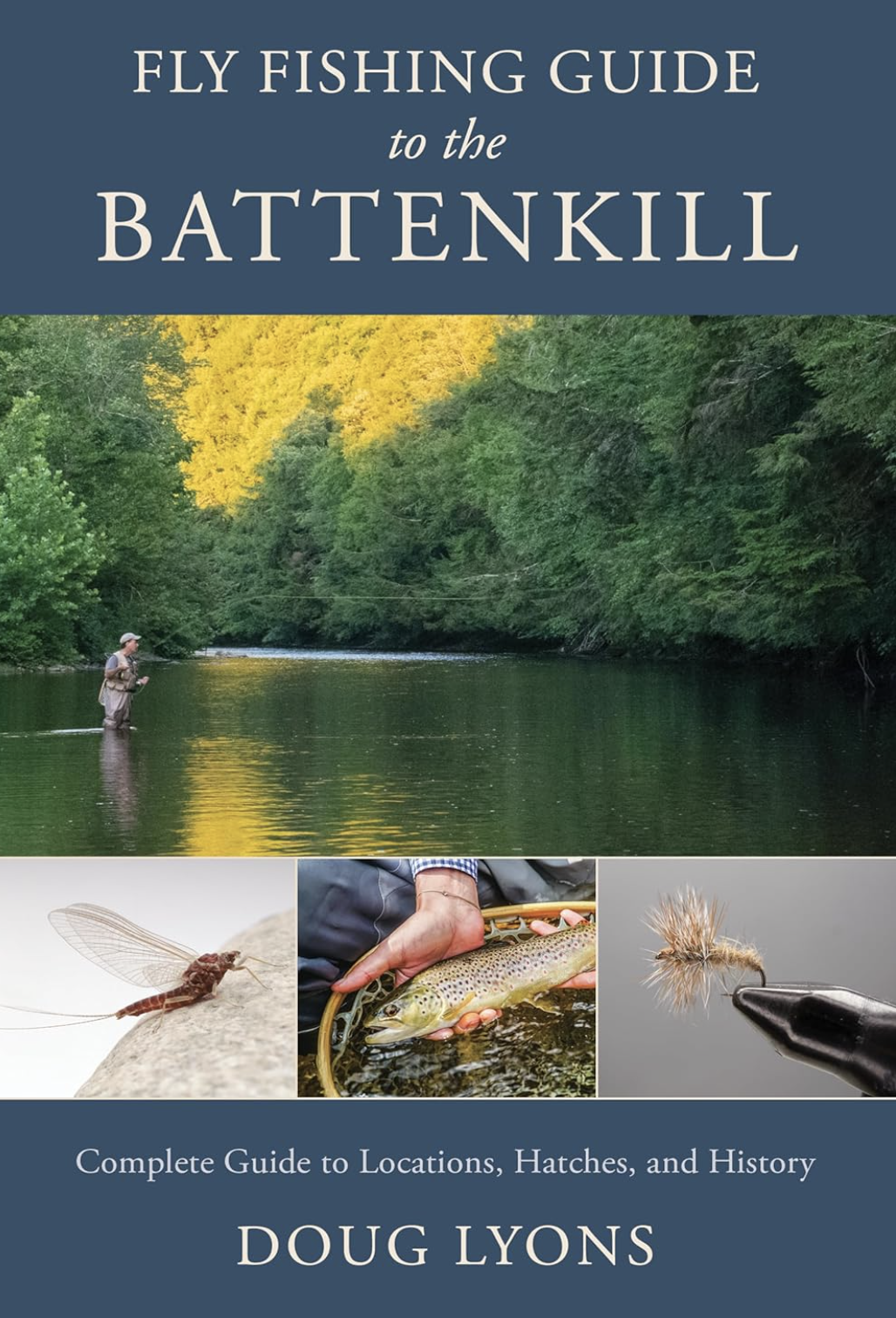
Fly Fishing Guide to the Battenkill
Cracking the Code on the Battenkill River
Doug recently joined the Destination Angler Podcast to share stories and lessons from more than 50 years of fishing the Battenkill. He talked about the river’s seasonal hatches, the importance of careful wading and presentation, and the conservation work helping preserve this legendary wild trout fishery for future generations.
For anglers who want to go deeper on Battenkill hatches, fly selection, and river-specific knowledge, we highly recommend Fly Fishing Guide to the Battenkill by Doug Lyons. It is one of the best resources for understanding this river and the seasonal bugs that shape the fishing.
The Hatches: A Seasonal Guide to Fly Fishing the Battenkill
One of the great challenges of fly fishing the Battenkill is learning to read what is happening on the water. Hatches can be strong, subtle, early, late, or completely dependent on the weather. That is part of what makes this river so rewarding.
From the first mayflies and caddis of spring to summer terrestrials, Tricos, fall olives, and late season streamer fishing, the Battenkill asks anglers to pay attention. The right fly matters, but so does timing, presentation, water temperature, and patience.
This guide offers a general look at the key seasonal hatches on the Battenkill, along with fly patterns and sizes to keep in your box. Hatch timing can shift from year to year based on water temperature, flows, and weather, so use this as a starting point rather than a fixed calendar.
Want help reading the water and matching the hatch?
Book a Guided Trip with Battenkill Outfitters
Spring Hatches on the Battenkill
Spring is one of the most anticipated times of year on the Battenkill. As water temperatures climb and the river begins to settle after early season runoff, trout become more active and the first meaningful hatches begin to show.
The early season can be unpredictable. A warm, cloudy afternoon can bring bugs and rising fish. A cold front or high water can slow things down quickly. This is the time to carry dries, emergers, soft hackles, and nymphs so you can adjust as conditions change.
April into Early May
Key Hatches
Blue Quills, size 16 to 18
Early Black Stoneflies, size 14 to 16
Little Black Caddis and Grannom Caddis, size 16 to 18
Hendricksons, size 12 to 16, typically mid to late April into early May
Recommended Flies
Blue Quill Dry, size 16 to 18
Hendrickson Catskill Dry, light and dark, size 12 to 14
Red Quill Catskill Dry, size 12 to 14
Hendrickson Spinner, size 12 to 14
Black or Dark Elk Hair Caddis, size 14 to 18
Pheasant Tail Nymph, size 12 to 16
Hare’s Ear Nymph, size 14 to 16
Dark Soft Hackle, size 14 to 16
Guide Note
The Hendrickson hatch is one of the classic spring events on the Battenkill. Duns often show during the warmer part of the afternoon, while spinner falls can happen toward evening when the weather lines up. Some of the best fishing of the year can happen during this window, but the Battenkill still makes you earn it.
Mid May through June
By mid May, the Battenkill usually has a broader mix of mayflies and caddis. This can be some of the most productive dry fly fishing of the season, especially when flows are stable and water temperatures remain comfortable.
Key Hatches
March Browns, size 10 to 12
Light Cahills, size 12 to 16
Sulphurs, size 14 to 18
Caddis, size 14 to 16
Blue Winged Olives, size 18 to 22
Recommended Flies
March Brown size 10 to 12
Light Cahill Dry, size 12 to 16
Sulphur Sparkle Dun, size 14 to 18
Caddis, tan or olive, size 14 to 16
Elk Hair Caddis, size 14 to 16
Parachute BWO, size 18 to 22
Soft Hackle Pheasant Tail, size 12 to 16
Pheasant Tail Nymph, size 14 to 18
Hare’s Ear Nymph, size 12 to 16
Guide Note
This is a good time to fish with your eyes first. Look for splashy caddis rises, slower mayfly sips, or fish feeding just under the surface. If fish are refusing dries, a soft hackle, emerger, or lightly swung wet fly can often be the better choice.
Summer Hatches on the Battenkill
Summer fishing on the Battenkill can be technical. Lower water, clear conditions, and selective trout mean that presentation becomes even more important. Early mornings and evenings are often best, especially during warmer weather.
During periods of heat, water temperature matters more than the hatch. If temperatures climb too high, trout should be left alone until conditions improve.
July
Key Hatches
Sulphurs, often lingering into early summer, size 16 to 18
Light Cahills, size 12 to 16
Yellow Drakes, size 10 to 12
Yellow Sallies, size 14 to 16
Caddis, size 14 to 18
Terrestrials, including ants, beetles, and hoppers, size 10 to 18
Recommended Flies
Sulphur Cripple, size 16 to 18
Light Cahill Dry, size 12 to 16
Yellow Drake Dry, size 10 to 12
Yellow Sally Dry or Stimulator, size 14 to 16
Tan Elk Hair Caddis, size 14 to 18
Sulphur Sparkle Dun, size 14 to 18
Parachute Ant, black or cinnamon, size 14 to 18
Small Hopper, size 10 to 12
August
Key Hatches
Tricos, size 22 to 24
Blue Winged Olives, size 18 to 22
Late Summer Caddis, size 14 to 18
Flying Ants, size 14 to 18
Terrestrials, size 10 to 18
Isonychia, size 10 to 14, often becoming more relevant later in the month
Recommended Flies
Trico Spinner, size 22 to 24
Small Parachute BWO, size 18 to 22
Olive or Tan Elk Hair Caddis, size 14 to 18
Parachute Flying Ant, black or cinnamon, size 14 to 18
Foam Beetle, size 12 to 16
Small Hopper, size 10 to 12
Isonychia Soft Hackle, size 10 to 14
Isonychia Parachute, size 10 to 14
Guide Note
Tricos can start showing in August and continue well into September. It is often an early morning game. The flies are small, the rises can be subtle, and the fish can be selective. A long leader, fine tippet, and a careful presentation matter.
Fall Hatches on the Battenkill
Fall brings cooler nights, changing light, and a different rhythm to the river. Dry fly opportunities still exist, especially with Tricos, Blue Winged Olives, and Isonychia, but this is also an excellent time to fish streamers and larger wet flies when conditions are right.
September into Early October
Key Hatches
Tricos, size 22 to 24
Blue Winged Olives, size 18 to 22
Isonychia, size 10 to 14
October Caddis, size 14 to 18
Late Season Caddis, size 14 to 18
Terrestrials, especially ants and beetles, size 14 to 18
Recommended Flies
Trico Spinner, size 22 to 24
Parachute BWO, size 18 to 22
BWO Sparkle Dun, size 18 to 22
Isonychia Dun or Parachute, size 10 to 14
Isonychia Soft Hackle, size 10 to 14
October Caddis Dry, size 14 to 18
Orange Stimulator, size 8 to 10
Soft Hackle Pheasant Tail, size 12 to 16
Foam Ant or Beetle, size 14 to 18
Guide Note
Early September can still have a summer feel, with Tricos, ants, beetles, and careful dry fly fishing. As the month moves on, Blue Winged Olives and Isonychia become more important, especially on cloudy days or when the river has a little more life in it. On higher water, or after rain, streamers can also be a smart choice around structure, deeper runs, and undercut banks.
Late October into November
Key Hatches
Blue Winged Olives, size 18 to 22
Midges, size 20 to 24
Small Caddis, size 16 to 20
Recommended Flies
BWO Sparkle Dun, size 18 to 22
Parachute BWO, size 18 to 22
Griffith’s Gnat, size 20 to 24
Zebra Midge, black or red, size 20 to 24
Small Soft Hackle, size 16 to 20
Olive Woolly Bugger, size 6 to 10
Sculpin Patterns, size 4 to 8
Guide Note
Late season fishing is often less about matching a heavy hatch and more about reading conditions. Slow down, cover likely holding water carefully, and focus on the warmest part of the day when trout are most likely to move.
Final Thoughts
The Battenkill is not a river that rewards shortcuts. Hatches matter, but they are only part of the equation. Water temperature, flow, light, leader length, fly choice, and presentation all play a role.
Some days the river gives you a clear answer. Other days it gives you just enough to keep you searching. That is the Battenkill.
Book a guided trip with Battenkill Outfitters and learn how to read the hatches, water, and trout of one of the East’s most iconic wild trout rivers.