

Battenkill River Fishing Report
River conditions, guide insight, and what to fish now.
River Safety Note: Conditions can change quickly. Wading can be dangerous, especially during high or rising water. Always check current flows, weather, and access conditions before fishing, and make decisions based on your own ability. When in doubt, stay out.
Daily Fishing Outlook by Andrew Walker
Updated ThursdayOctober 22,9:00am
Good morning from the Battenkill.
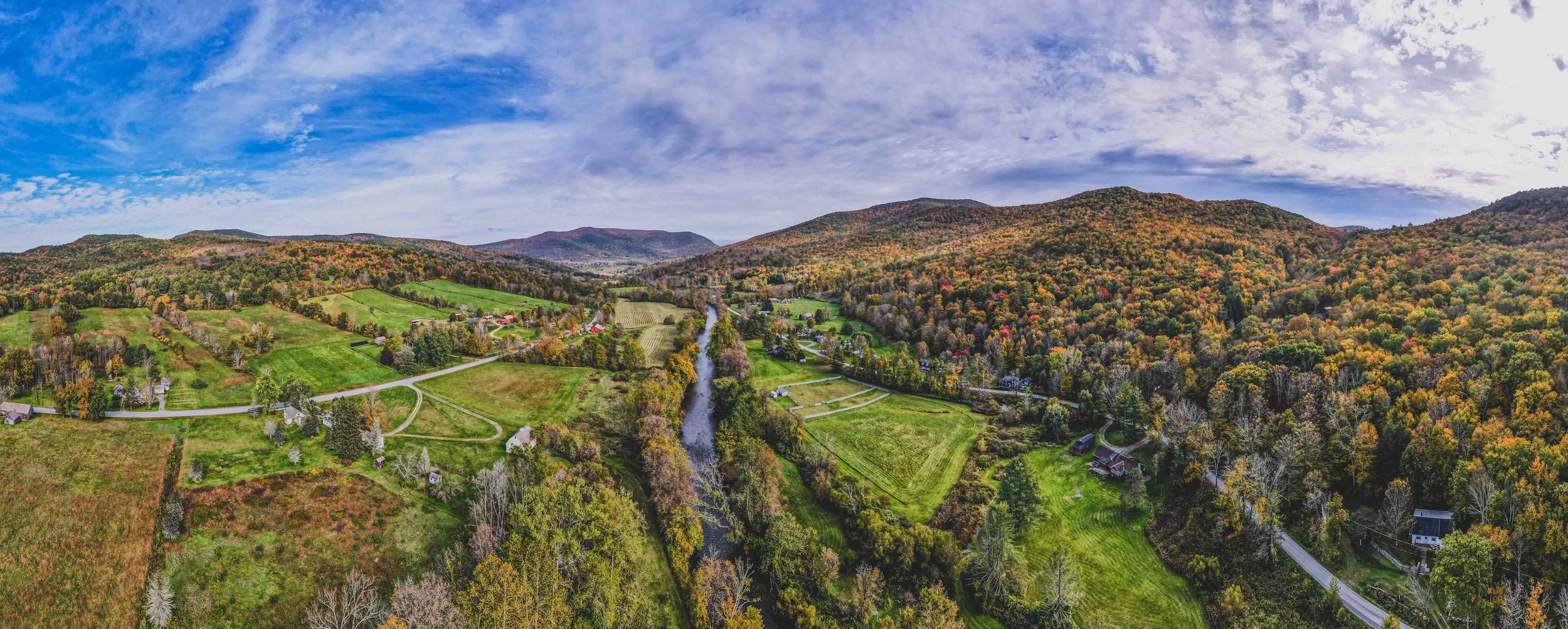
Another chilly morning here, but we have a beautiful fall day ahead, with plenty of sunshine and highs expected to reach the lower 60s.
Flows are back on the low side, and the water is clear, so the fishing remains technical. Take your time, move slowly, keep a low profile, and be thoughtful with both wading and presentation. In these conditions, a careful approach can make all the difference.
As for bugs, Blue-Winged Olives are the main thing to keep an eye out for, along with caddis and other small fall mayfly variations. With the cool mornings, things may take a little time to get going. Watch for rising fish as the day warms, especially in softer seams, pools, and slower water.
If you find fish feeding on top, have small BWO dries and emergers ready. Otherwise, I would focus on nymphs, wet flies, and soft hackles through riffles, seams, and deeper runs. Streamers are also worth working through deeper stretches and around structure.
It is a beautiful time to be on the Battenkill, and with these crisp mornings and sunny afternoons, there are still some great opportunities to enjoy fall fishing before the season winds down.
Enjoy.
The Hatch
Fall is starting to take over on the Battenkill, and the hatch picture has shifted with it. The big things to watch right now are Blue-Winged Olives, caddis, and the remaining mix of fall mayflies and terrestrials.
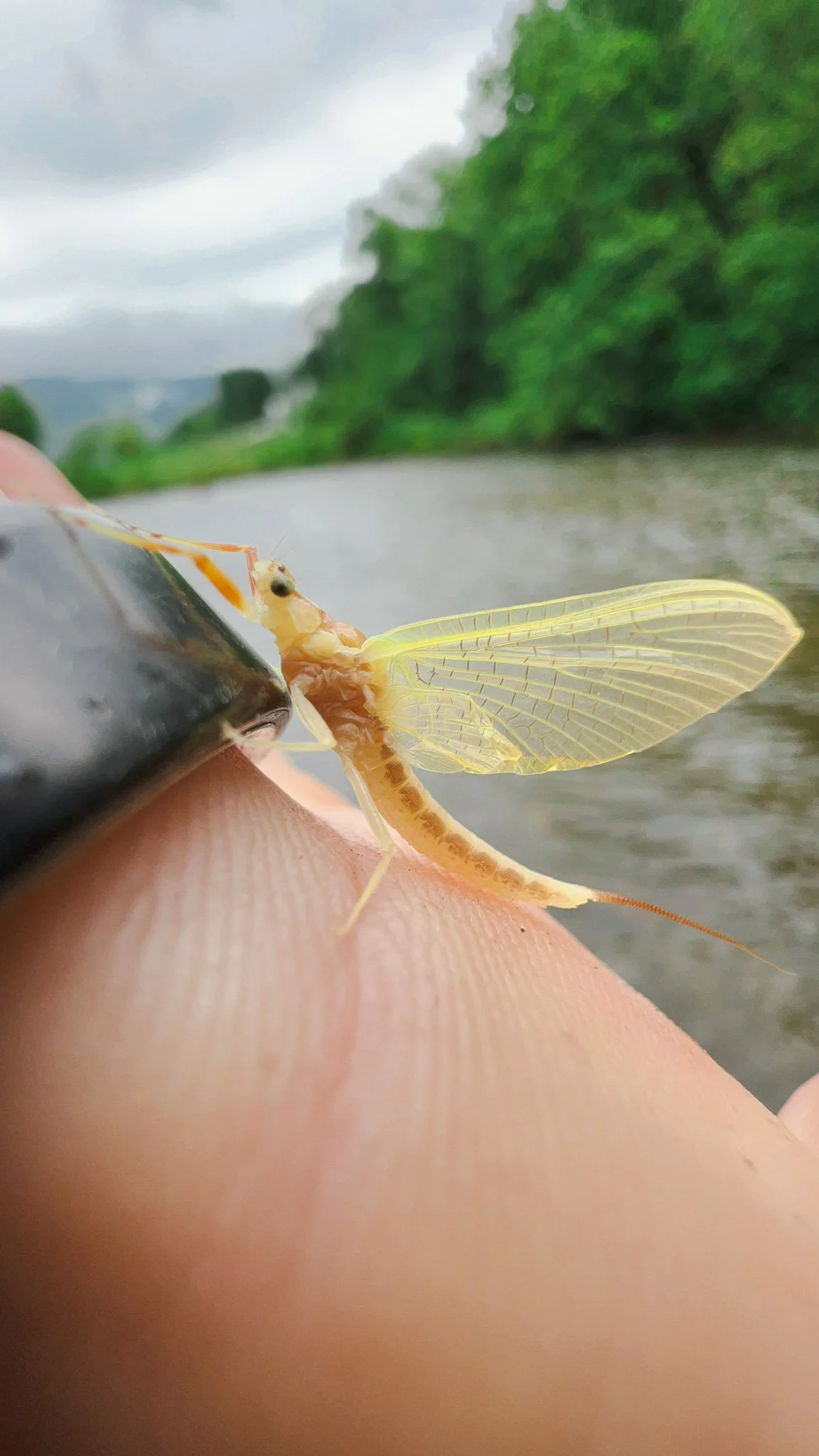
Blue-Winged Olives should be one of the main hatches to watch as we move through fall. These little mayflies tend to like the kind of weather a lot of people complain about: cloudy, damp, cool, and a little gray. If the weather looks a bit crummy, it might be perfect BWO weather. Look for them in the softer seams, tailouts, riffles, and slower edges where fish can sip without working too hard.
Caddis are still very much in the mix and should be part of the plan. Vermont caddis can stay important well into the fall, especially when fish are working near the surface or chasing bugs just above it. You may see adults fluttering around the water, but do not overlook caddis pupa and emergers below the surface when fish are feeding without obvious rises. If you see trout coming out of the water to grab insects in the air, try a buggy caddis pattern and do not be afraid to give it a little twitch during the presentation.
Isonychia are starting to fade from the main story, but they can still be worth keeping in mind, especially in riffles, seams, and broken water. A Zug Bug, Iso-style nymph, wet fly, or soft hackle can still be a good choice when fishing faster, oxygenated water, but I would not build the whole box around them at this point.
Stoneflies are worth keeping in the rotation, especially when fishing faster water, deeper seams, and riffles. A stonefly nymph can also make a great anchor fly when running a smaller dropper behind it.
Flying ants and other terrestrials can still make an appearance on warmer, humid fall days. They may not be the main story every day, but when ants are on the water, trout can get locked in quickly and the takes can be aggressive. It is still worth having a few small ant patterns in the box.
We are also seeing other small mayfly variations, including cream and sulphur-colored mayflies in the size 16 to 18 range. As always, pay attention to what is actually happening in front of you. Fall fishing on the Battenkill can change quickly, and the trout usually have their own opinions.
What to Watch For
Blue-Winged Olives
Caddis
Stoneflies
Cream and sulphur-colored mayfly variations
Flying ants and other terrestrials
Isonychia, fading but still possible
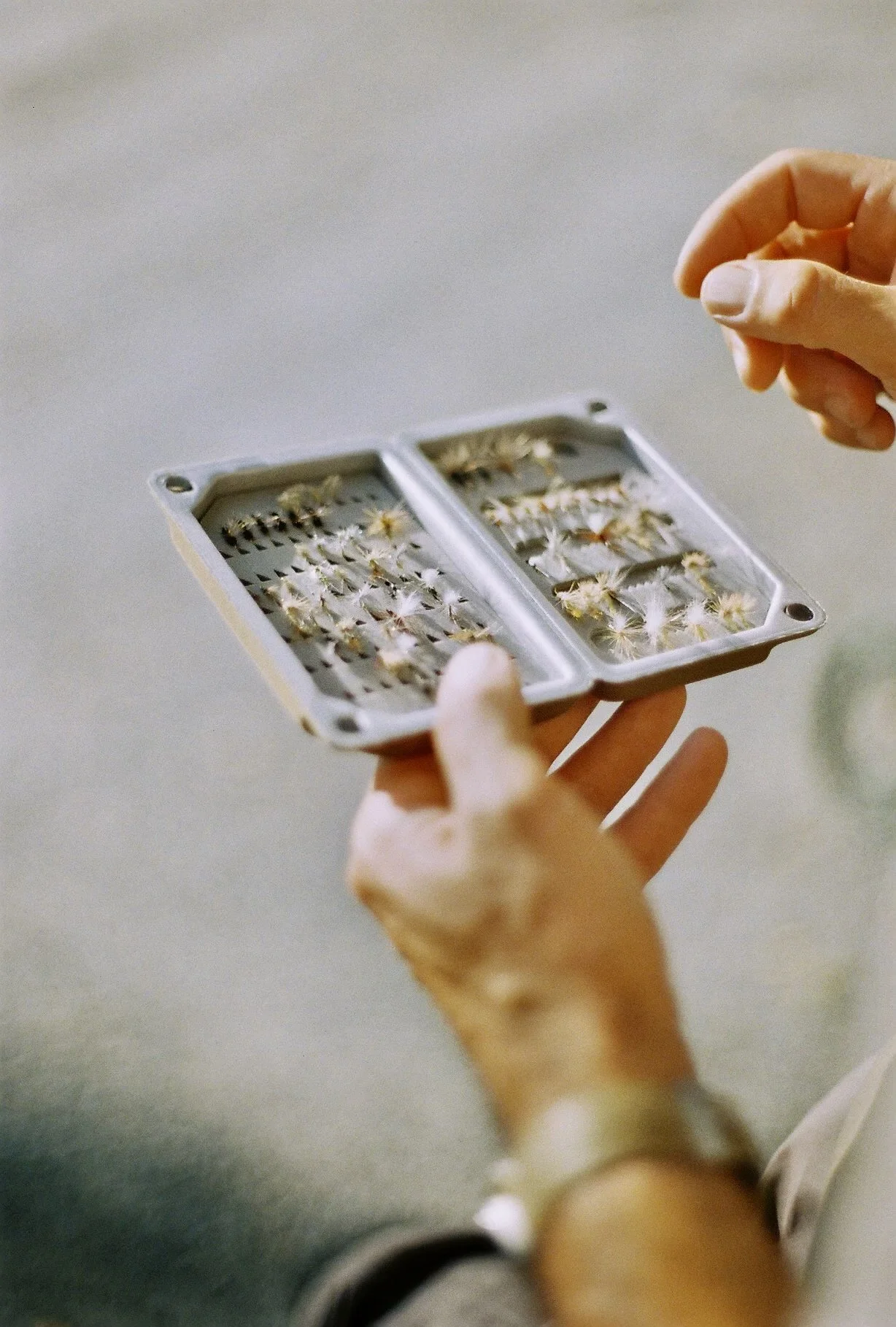
The Fly Box
Dry Flies
Blue-Winged Olive duns and spinners, size 16 to 20
Blue-Winged Olives are one of the main fall mayflies to have ready, especially on cooler, cloudy, damp, or rainy days. Carry both dun and spinner patterns, and be ready for selective fish when they start sipping in softer seams, tailouts, riffles, and slower edges.
Vermont caddis dries, size 14 to 16
Vermont caddis are very much part of the fall program on the Battenkill. Elk Hair Caddis and other buggy caddis dry fly patterns are good choices when you see adults fluttering around or fish feeding near the surface. If you see trout breaching or chasing insects just above the water, do not be afraid to give the fly a little twitch during the presentation.
Cream and sulphur-colored mayfly dries, size 16 to 18
We have been seeing cream and sulphur-colored mayfly variations in the size 16 to 18 range. I would keep a few lighter mayfly dries and emergers in the box for when fish are working near the surface and not committing to caddis or BWOs.
Flying ants and terrestrials, size 14 to 22
Ants, beetles, and other terrestrials are still worth carrying, especially on warmer or humid fall days. When ants hit the water, fish can get locked in quickly, and the takes can be aggressive.
General buggy dries, size 12 to 16
With a mix of Vermont caddis, small mayflies, stoneflies, and terrestrials around, it is worth having a few buggy, suggestive dry flies in the box. Sometimes the exact match matters. Sometimes the buggiest thing you have gets the look.
Wet Flies and Emergers
General mayfly wet flies, size 14 to 18
When there are mixed mayflies on the water, a simple wet fly can be a great way to cover fish feeding below the surface.
Fulling Mill option I like:
GRHE Wet, size 14
Blue-Winged Olive emergers, size 16 to 20
BWO emergers are worth having ready in the fall, especially when fish are feeding just under the surface or sipping in softer water. On cool, gray days, this can be one of the more important patterns in the box.
Soft hackles and emergers, size 12 to 18
Soft hackles, mayfly emergers, and caddis emergers are all good choices right now, especially when fish are flashing, splashing, or feeding just under the surface. Swinging these through riffles and broken water can be a great way to cover fish.
Nymphs
Stonefly nymphs, size 8 to 12
Stoneflies are always worth having in the box. They are especially useful in faster water, deeper seams, and riffles, and they also make a good anchor fly when running a smaller dropper underneath.
Pheasant Tails, size 14 to 18
A Pheasant Tail is still one of my favorite all-around mayfly nymphs. It is a great option under a dry dropper, drifted through riffles, or fished through deeper runs.
Fulling Mill option I like:
American Pheasant Tail BH, size 14 to 16
Small nymphs, size 16 to 20
Small nymphs are always worth having in low, clear water. One of my favorite approaches is dropping a smaller nymph under a heavier stonefly or other anchor fly in deeper pools and seams.
Fulling Mill option I like:
Small nymph, size 16 to 18
Caddis nymphs and larva, size 14 to 16
Caddis larva and pupa patterns are still good choices below the surface, especially in riffles, seams, and broken water.
Hare’s Ears, size 14 to 18
A great all-around nymph that can imitate a variety of mayfly and buggy subsurface life.
Isonychia nymphs and Zug Bugs, size 10 to 14
Isonychia are starting to fade from the main story, but Iso-style nymphs and Zug Bugs can still be worth having in the rotation, especially in riffles, seams, and broken water. I would keep a few handy, but they are not the centerpiece of the box right now.
Fulling Mill option I like:
Zug Bug BH, size 14
Streamers
Woolly Buggers, size 4 to 8, in olive, black, and white
Always good to have in the box, especially when flows bump up, the water has a little color, or you want to cover banks and deeper seams.
Small sculpin or baitfish patterns, size 4 to 8
A good option when trout are holding tight to structure, banks, or deeper water.
Need a Guide? We’ve got your covered, Pick Your Guided Fly Fishing Trip
-
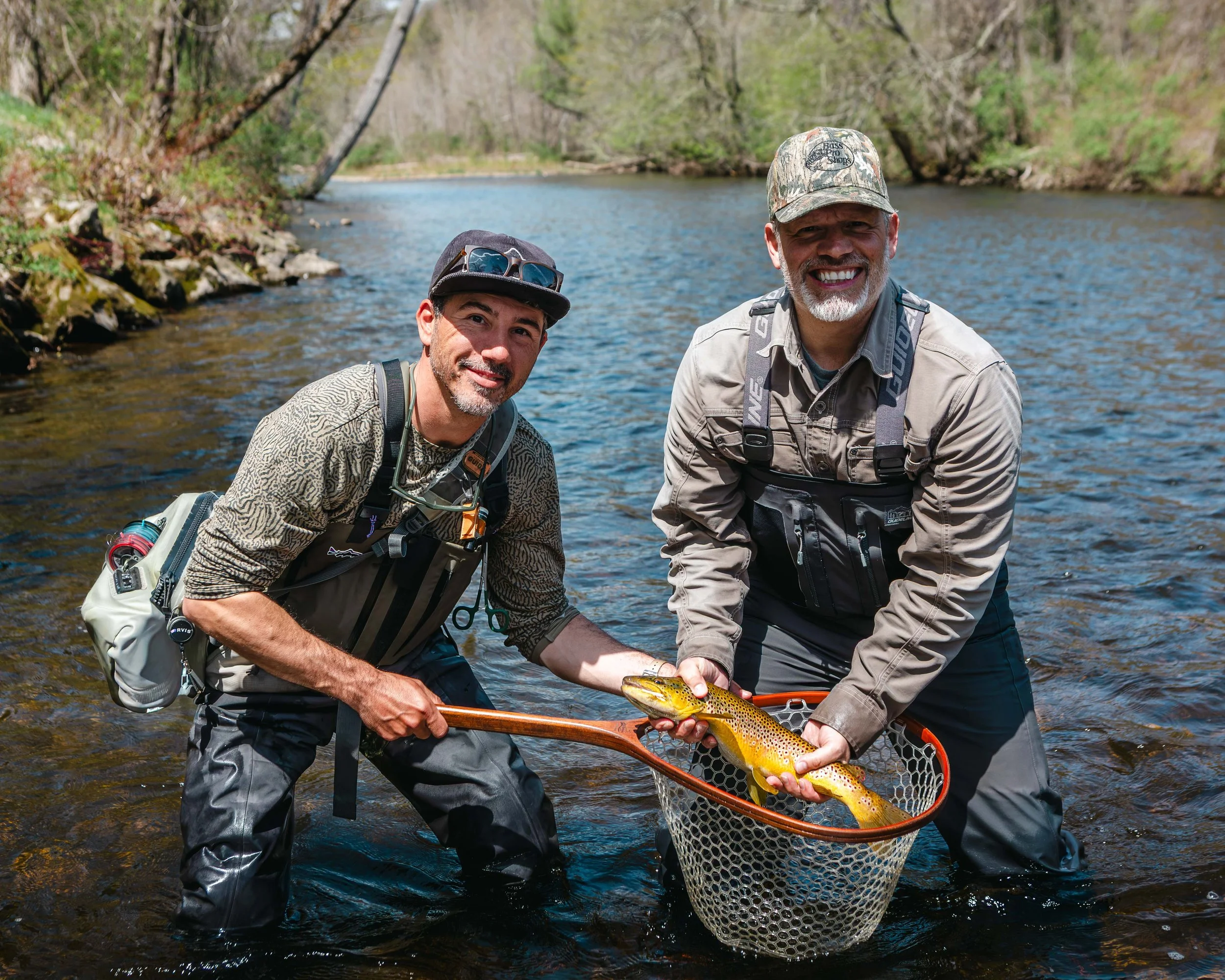
Half Day
Our most popular option—this 4-hour trip offers plenty of time to target fish and enjoy a well-rounded experience.
-

Full Day
From first cast to last light, full day trips give you time to explore, learn, and settle into the rhythm of the river.
REVIEWS
-
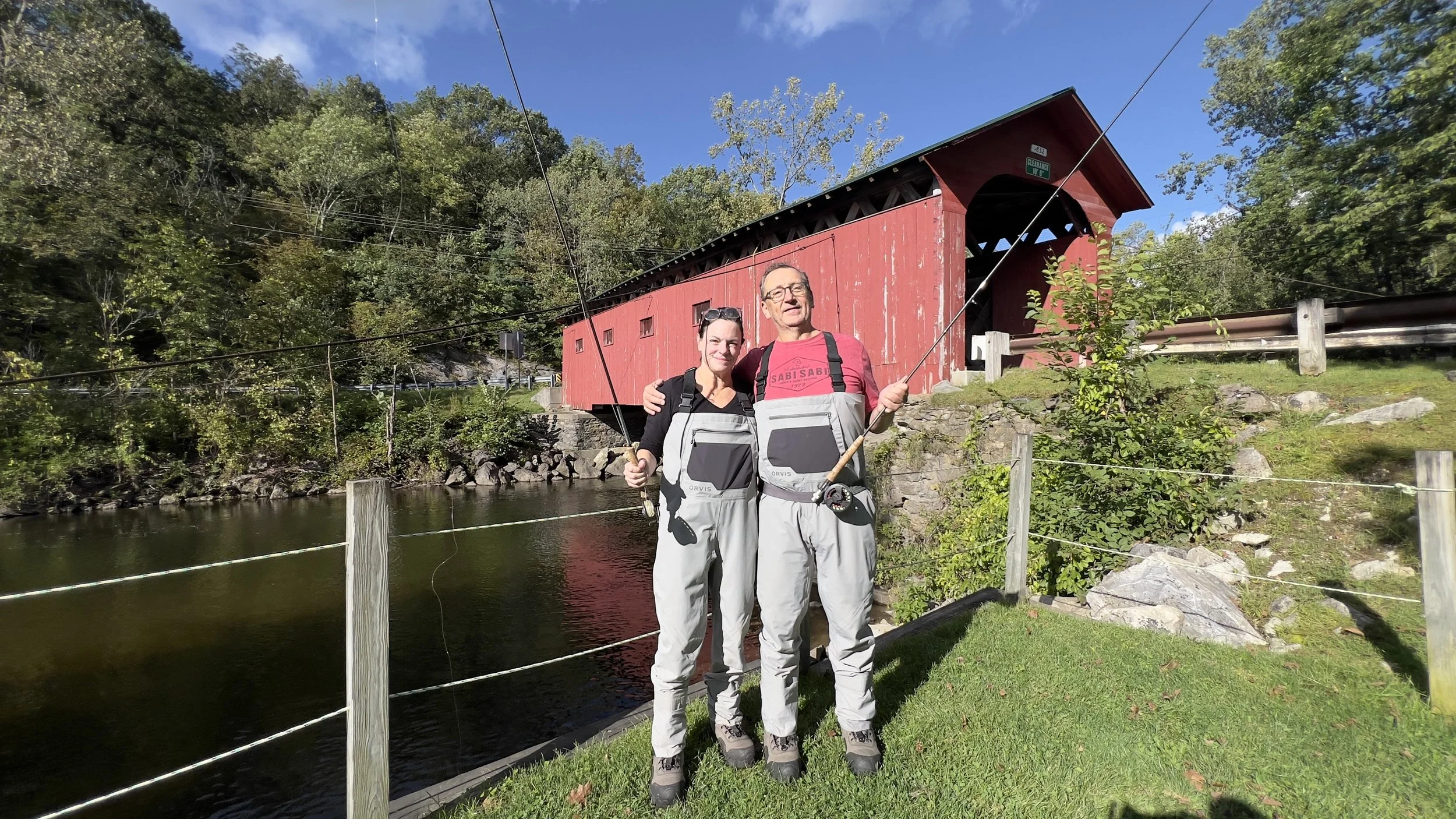
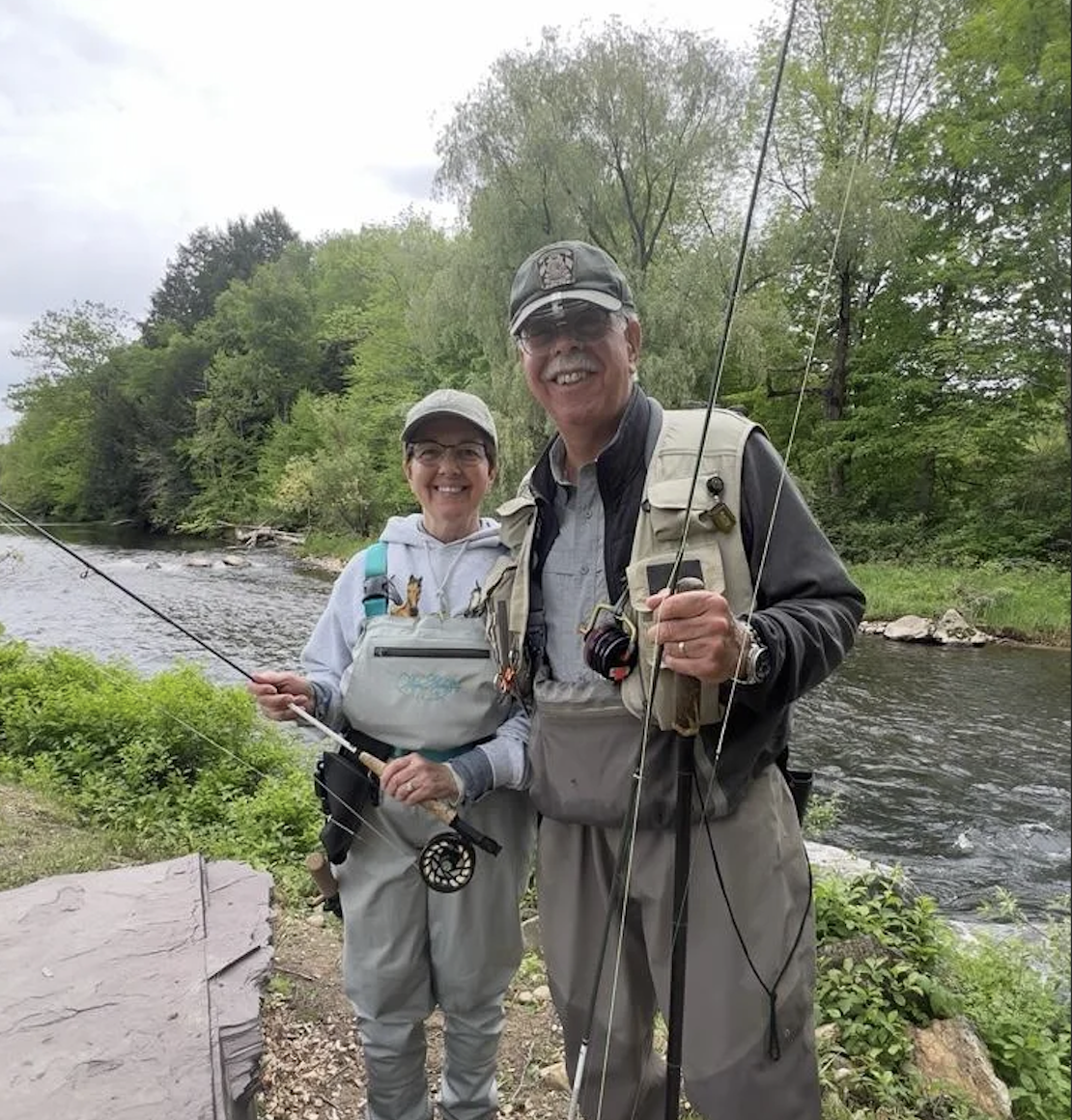
![A couple stands side by side near a covered bridge holding fishing rods, with a red covered bridge and green trees in the background.]()
Deirdre James
“Best fly fishing experience hands down. Andrew gave us lots of pointers to improve our skill and made it the best few hours anyone could ask for.”
-
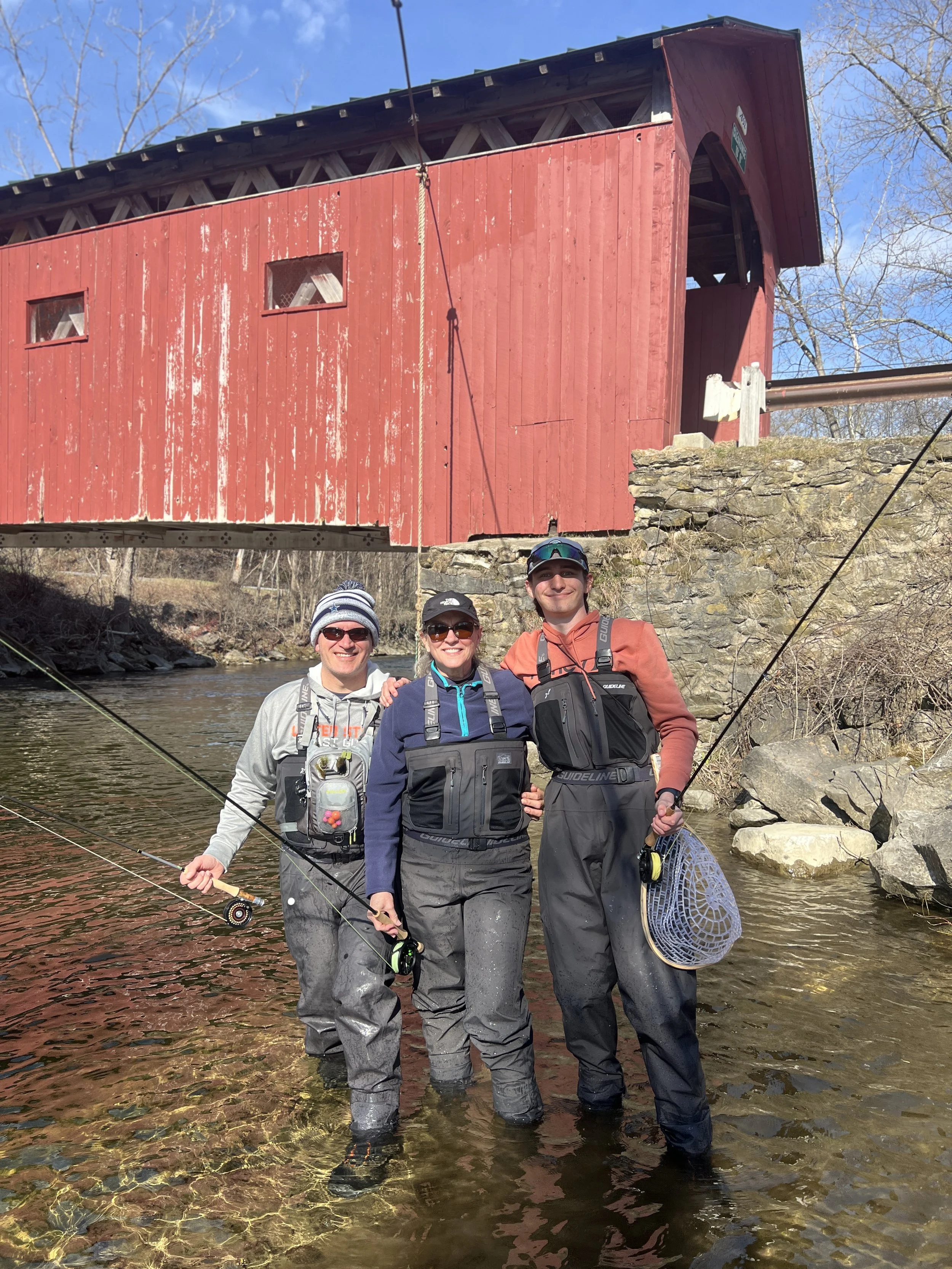
![Three people standing in a shallow creek with fishing rods, smiling, with a red covered bridge and trees in the background.]()
Jerry Butwid
“Andrew was incredibly patient, knowledgeable, and genuinely kind. Absolute highest recommendation for anglers of any level.”
-
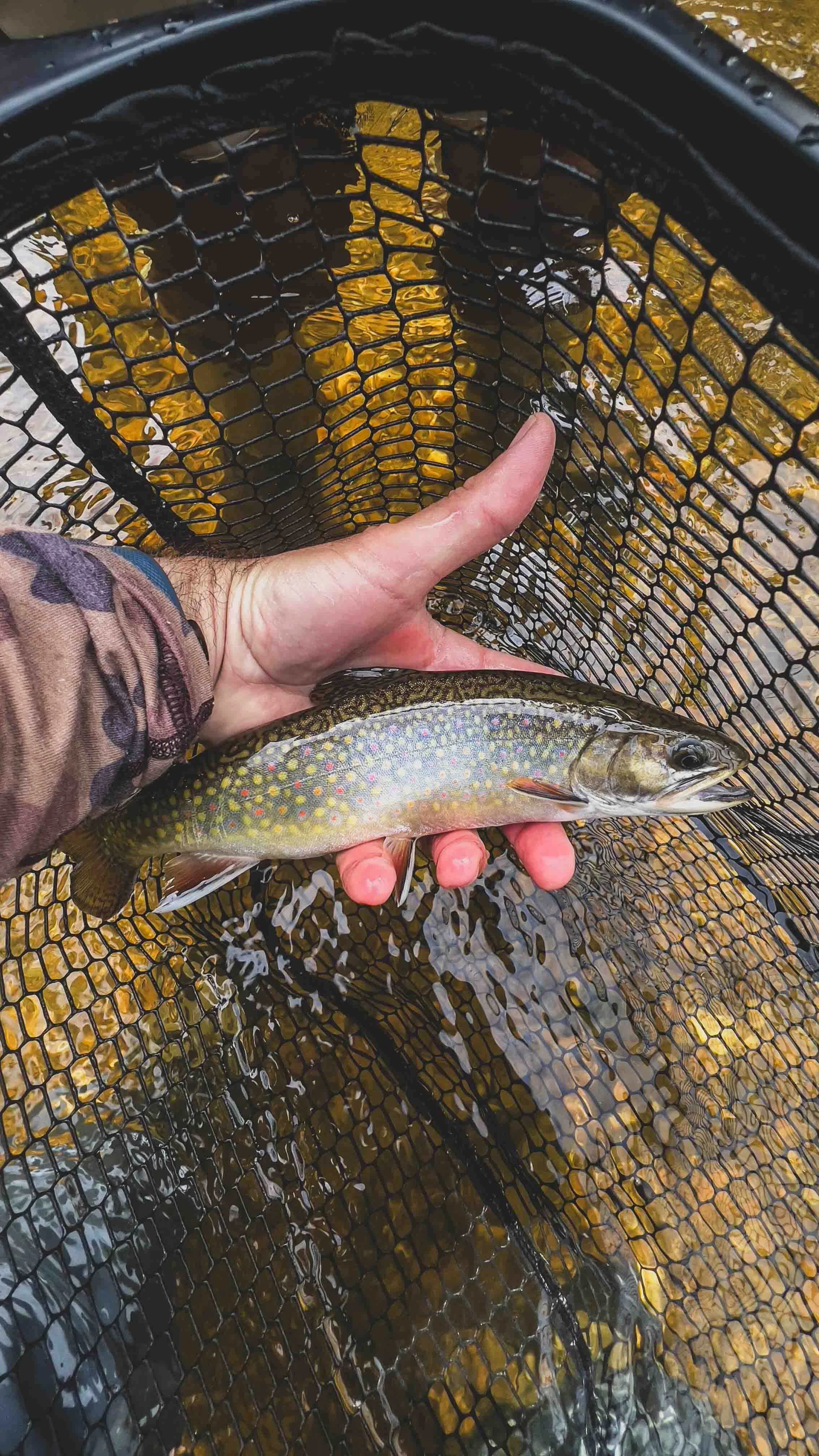
![A person holding a freshly caught rainbow trout over a fishing net with water and rocks below.]()
Valerie Lanza
“Booking with Andrew/Battenkill Outfitters is simply a must. Andrew’s approachable teaching style really encouraged me to develop confidence on the river.”
-
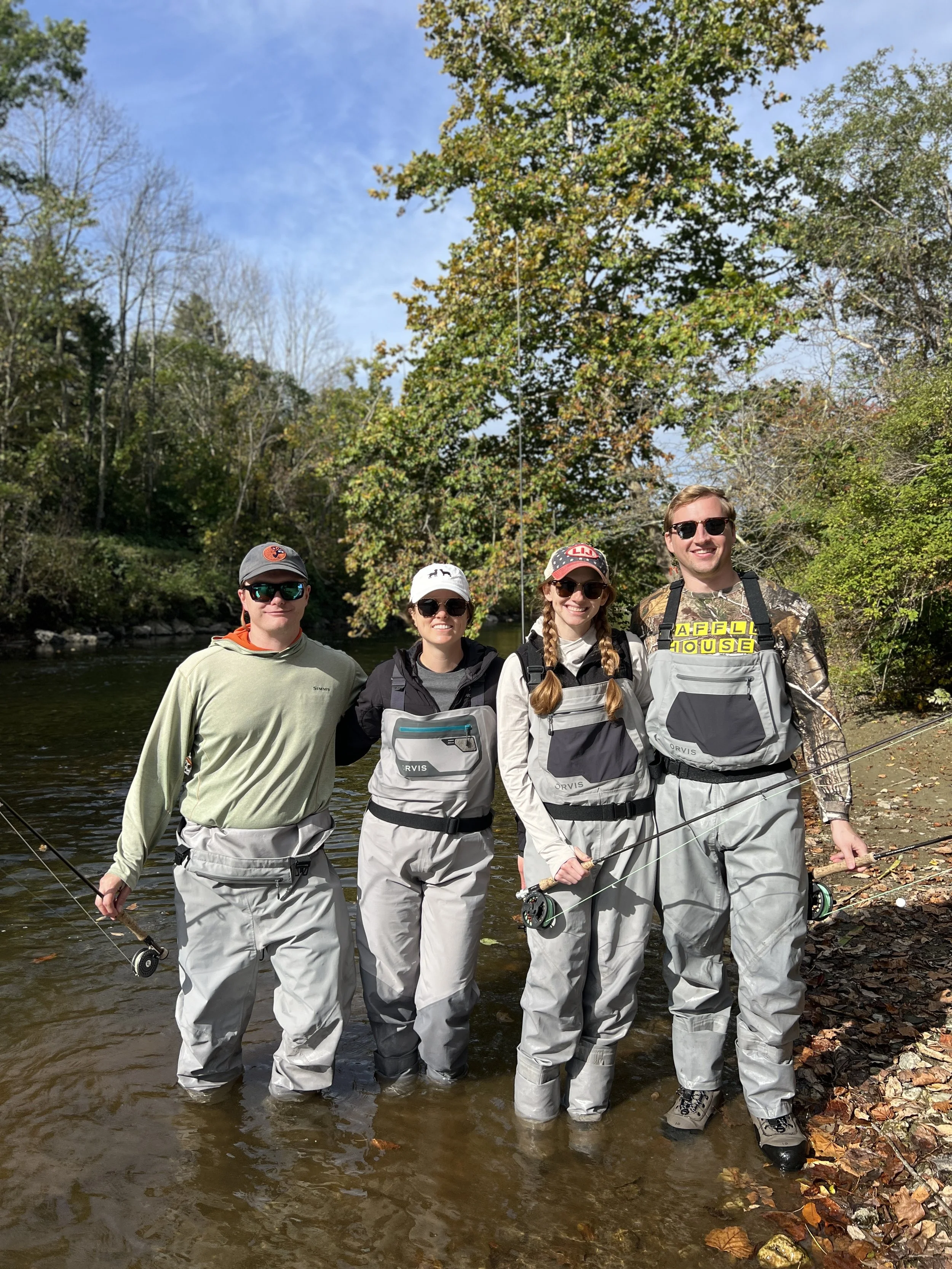
![Four people standing in a river with fishing poles, surrounded by trees with autumn leaves on the ground and some green foliage, smiling at the camera.]()
Ellie Bold
“Andrew supported each person at just the right level. It was a highlight of the trip.”
-
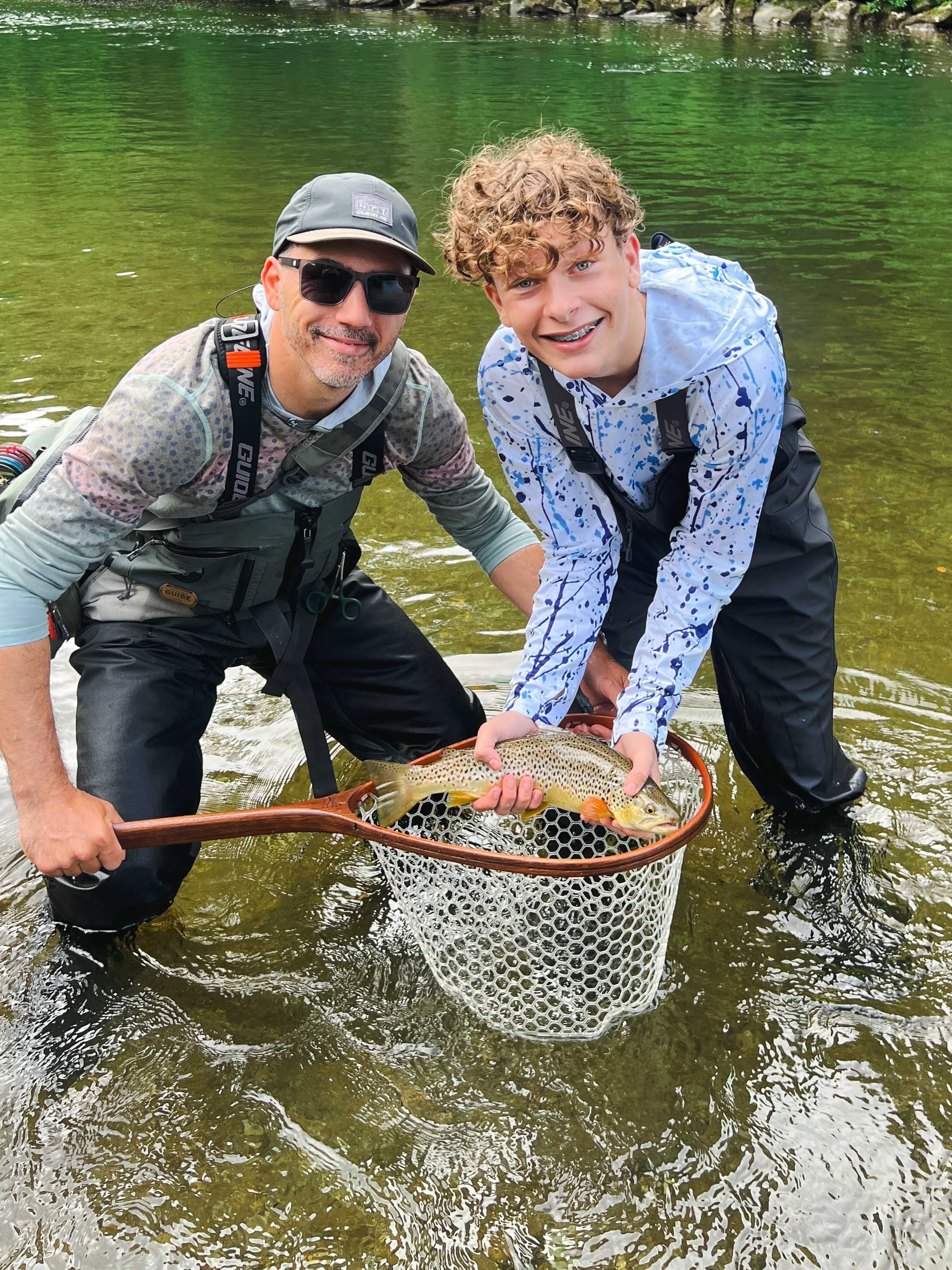
![Two people kneeling in the Battenkill river, holding a fishing net with a brown trout. They are smiling and wearing waterproof clothing, with one person wearing sunglasses and a cap.]()
Jacob Liro
“Andrew was fantastic and delivered an unforgettable experience for our family.”
-
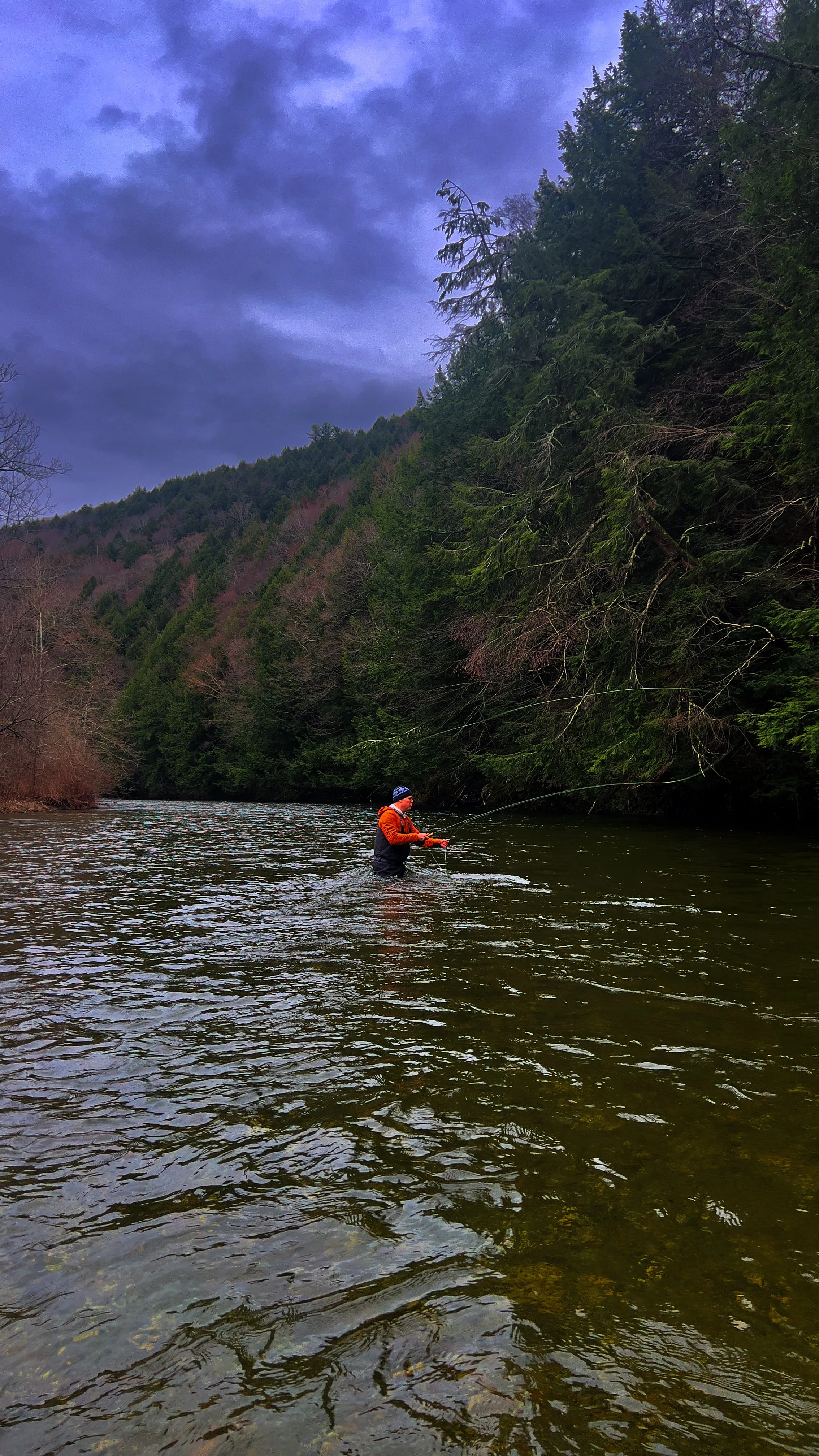
![Person wearing an orange and gray jacket and hat fishing in a river with a forested hillside and cloudy sky in the background.]()
Jeremy Smith
“Andrew basically said show up and I’ll take care of the rest, and he wasn’t lying.”
-
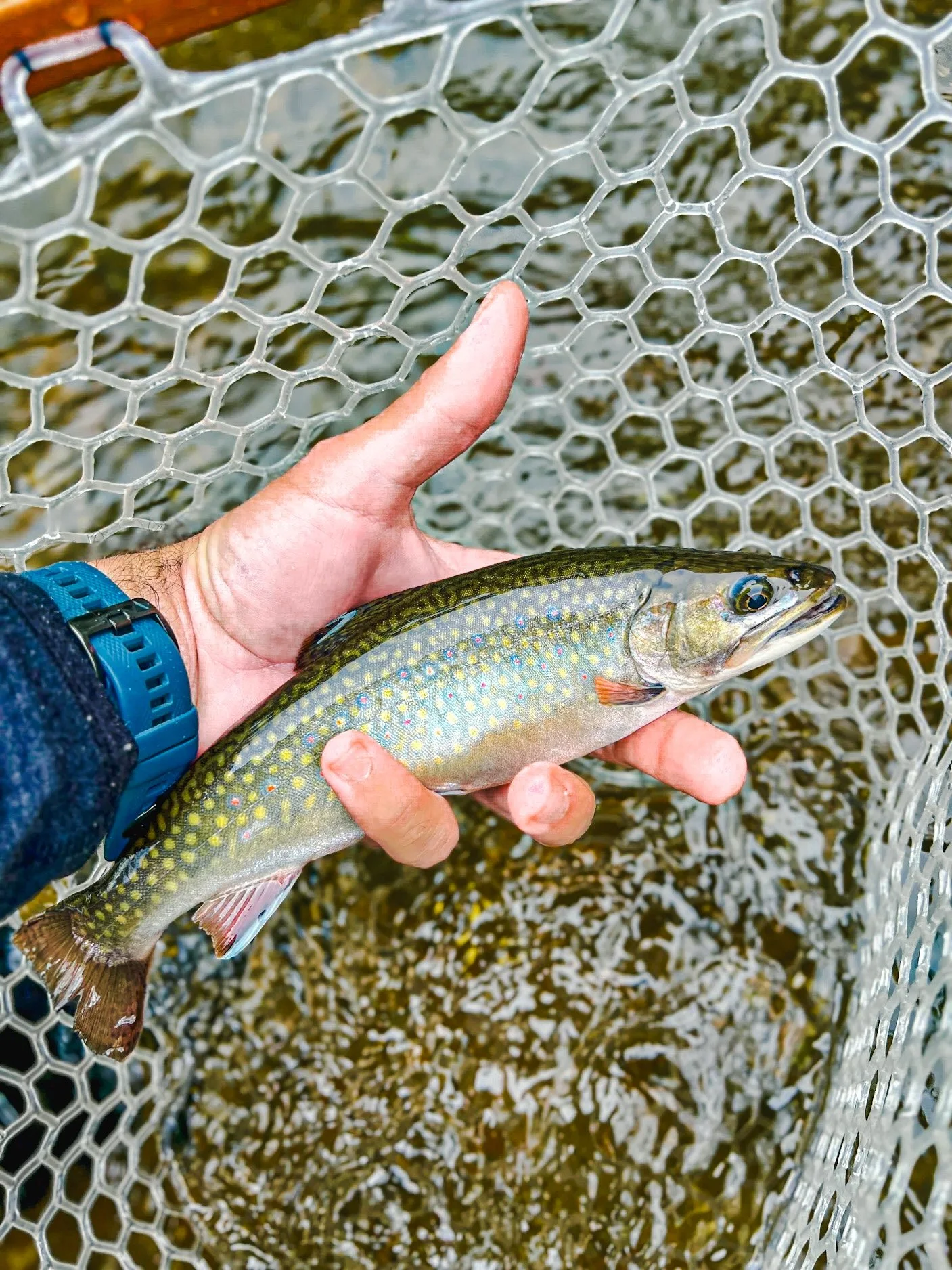
![Person holding a small fish over a net in a shallow stream or river.]()
Rob Mallozzi
“Andrew provided so much more than a guided trip. His guidance left me a more confident angler.”
-
![]()
Rick Poluch
“Great morning on the Battenkill with Andrew. He taught us a lot and I would highly recommend him.”
-
![Two men fishing in a river surrounded by lush green trees, both holding fishing rods and smiling at the camera, dressed in fishing gear.]()
Charles Whittingham
“Professional, knowledgeable, and personable. Book an outing with Andrew now.”
-
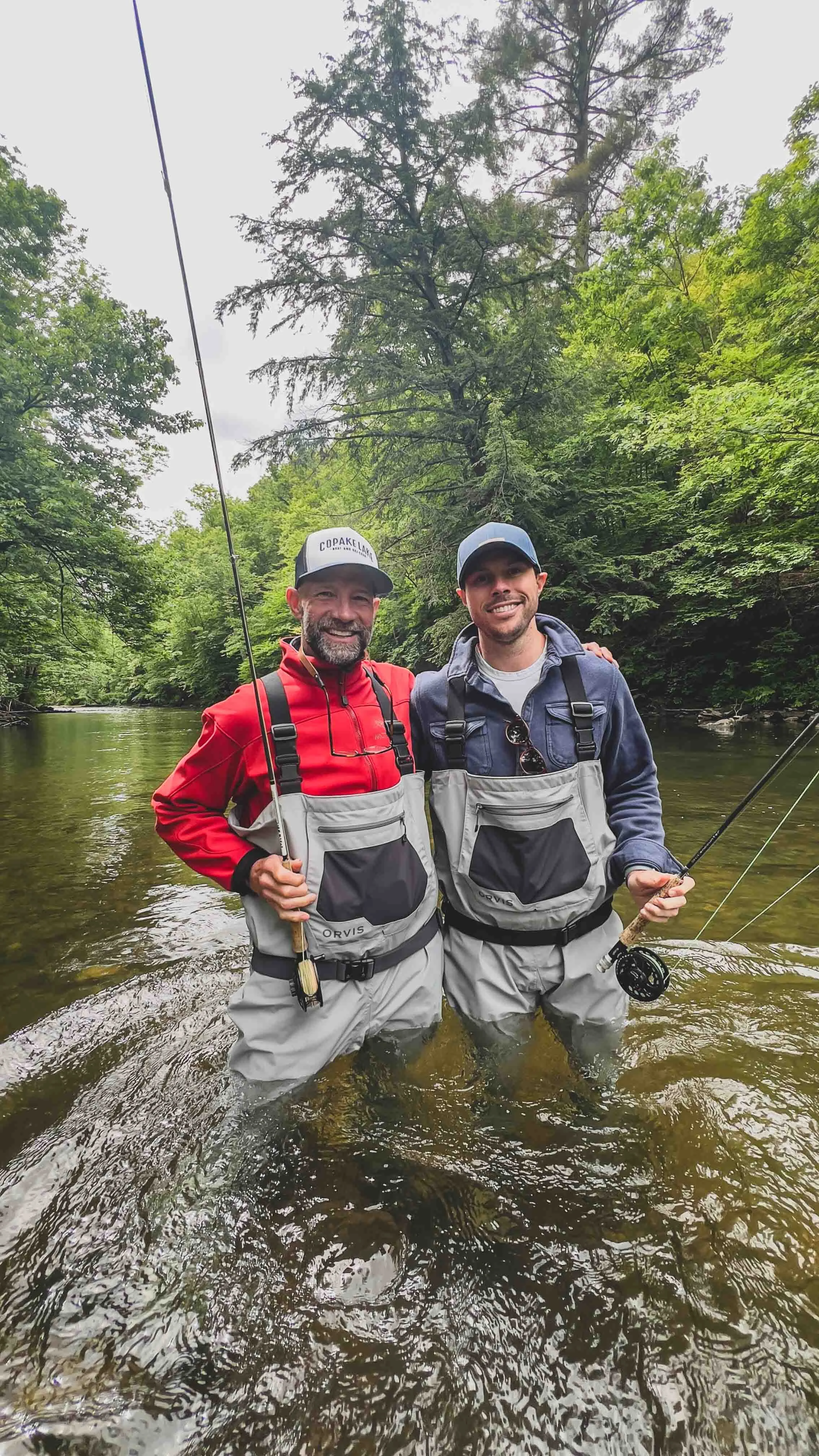
![Two people stand in front of a river, holding fishing poles and smiling, surrounded by green trees on a cloudy day.]()
John Divenere
“We were immediately comfortable and pleased with our choice. We highly recommend him as a guide.”
-
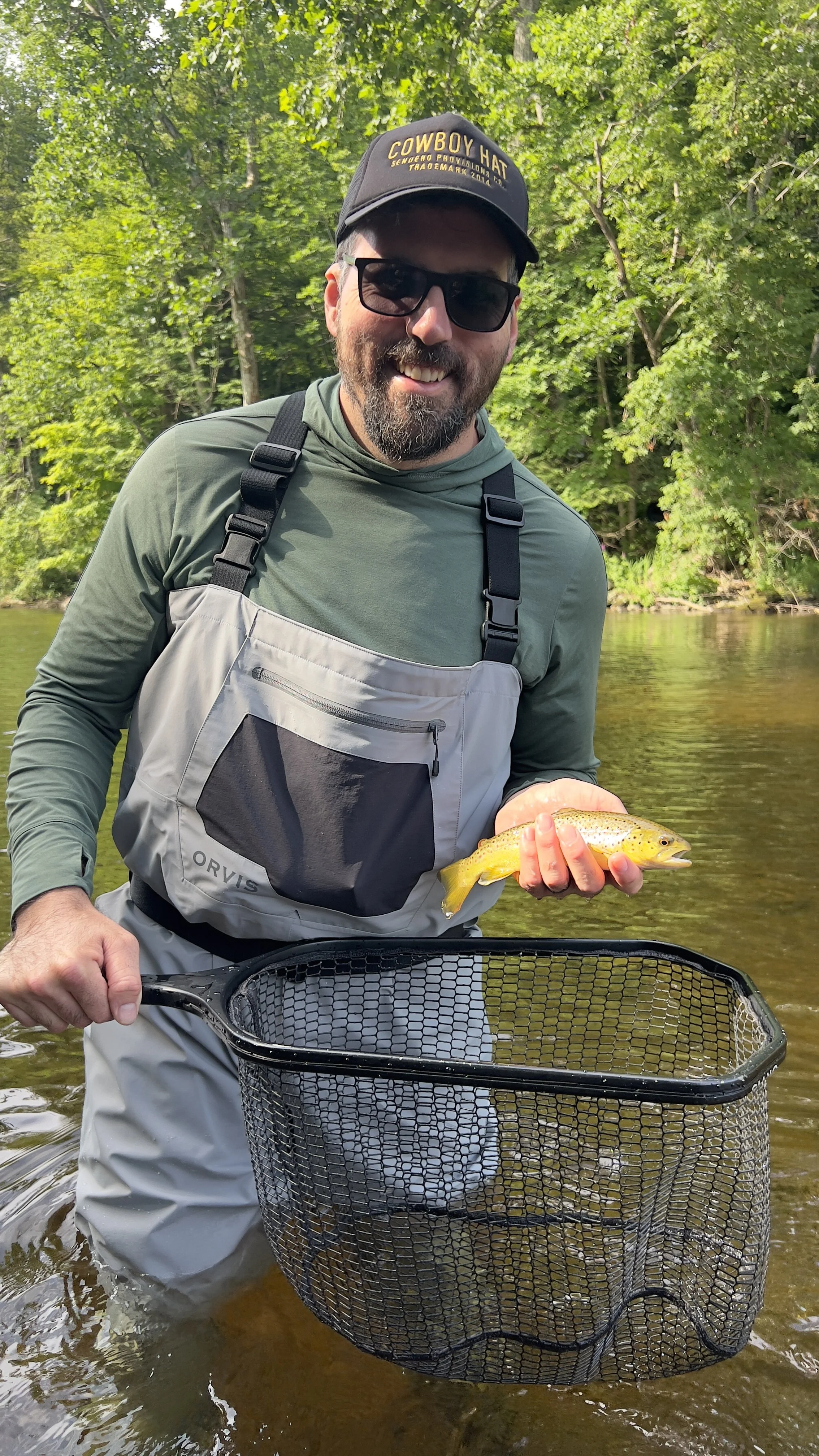
![A man wearing sunglasses, a cap, a green long sleeve shirt, and waders, standing in a shallow river, holding a small yellow fish with orange spots in his right hand, and a fishing net in his left hand, with a background of green trees and water.]()
Ryan Authier
“Andrew knows his fish, knows the water, knows the bugs, and knows the birds.”
-
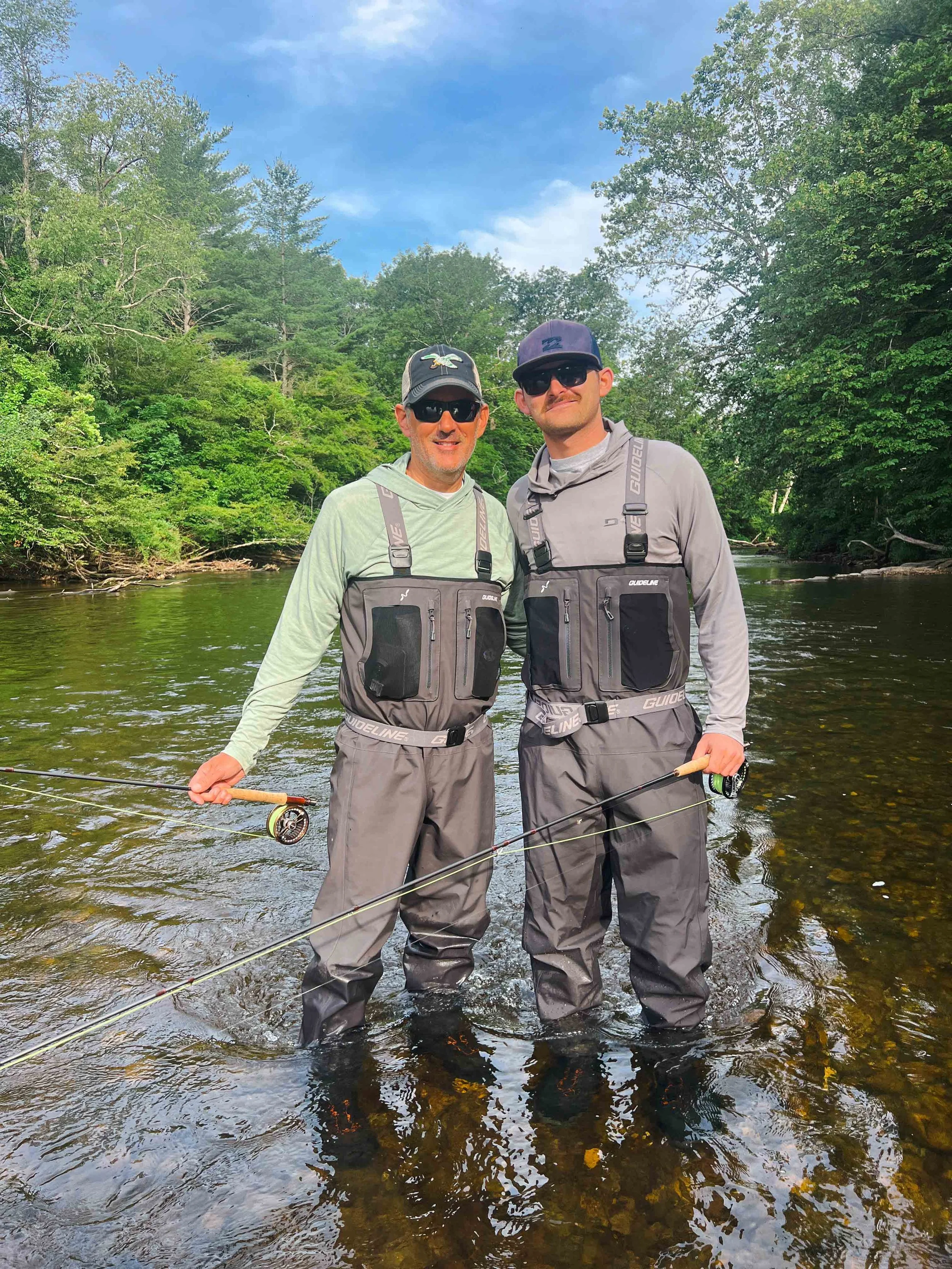
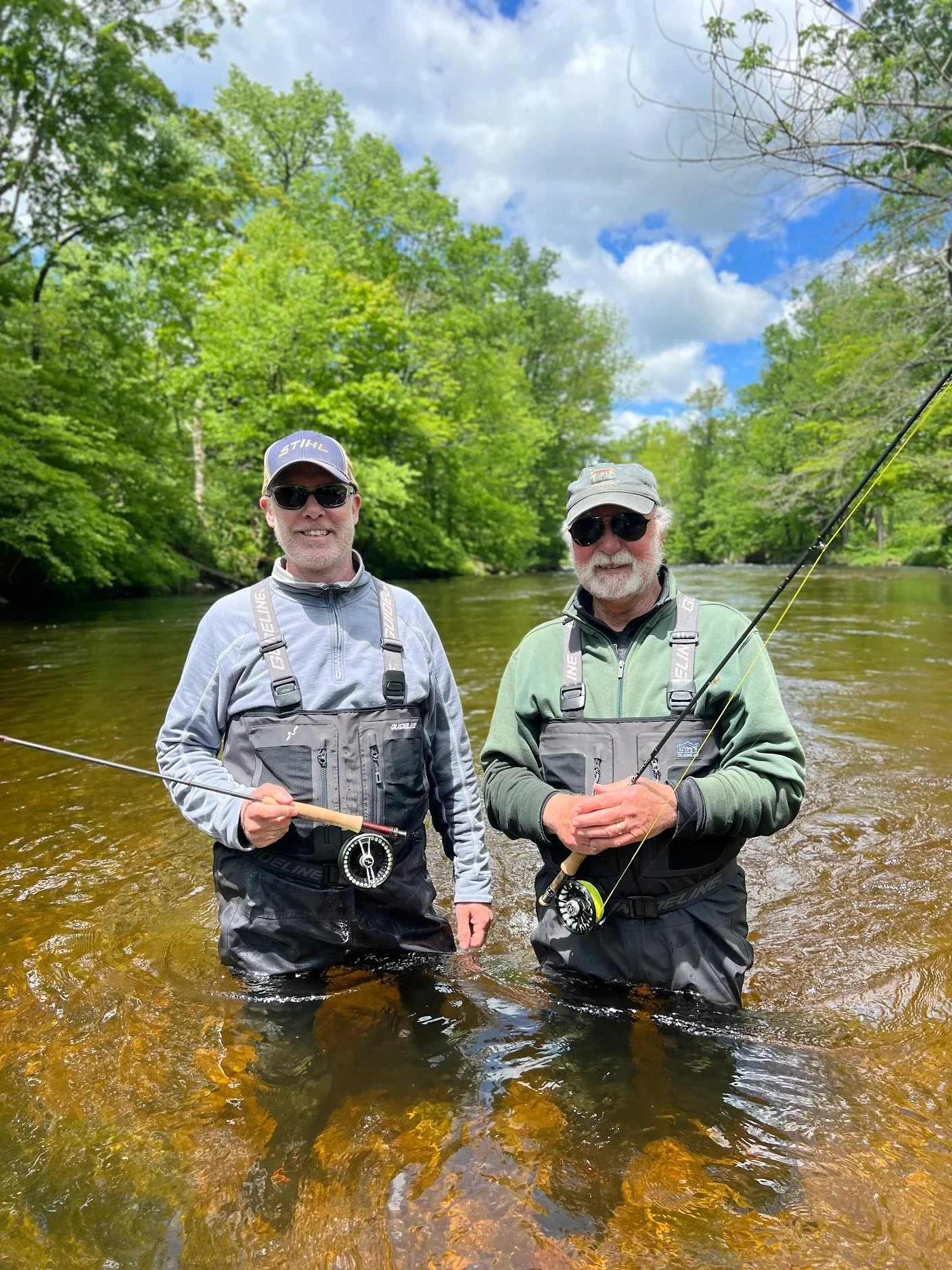
![Two men standing in a river, holding fishing rods, surrounded by green trees under a partly cloudy sky.]()
Jason Young
“Andrew tailored his instruction to each of us and we both improved our skills.”
CONTACT
Battenkill Outfitters is proudly located in West Arlington, Vermont, near Manchester, on the banks of the Battenkill River. Whether you have questions, need assistance planning your adventure, or want to learn more about our offerings, we’d love to hear from you.
Contact Andrew - Phone -802-379-9887
Address: 3587 River Rd Arlington VT 05250
Have questions? Please submit the following form and we will be back in touch soon.